
Indica: rethinking our reliance on paddy rice through looking to past domestication and agricultural systems
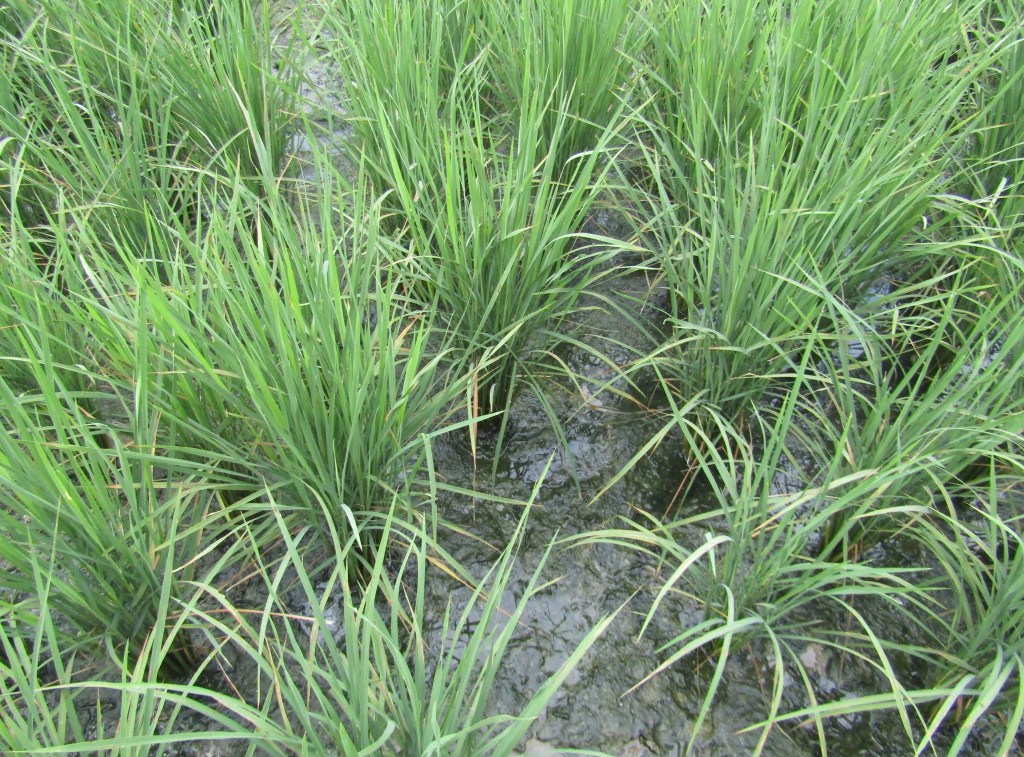
Rice is currently the staple food for over 3.5 billion people and is thus arguably the most important crop exploited by humans. It is estimated that by 2025, the amount of rice needed to sustain current demand will have to increase by 25%. Modern rice agriculture is based on a limited number of highly-intensive, water demanding systems. This is not sustainable. Understanding how we came to this point, where a single crop dominates the lives of almost half of the Earth’s population has major significance for our future, even more so in given the climatic instability we face today. This project will look into the deep time histories of rice domestication, how divergent paths converged and how paddy rice and its water demands came to dominate. It will assess how nuanced rice systems might be brought back to diversify and make our rice use more sustainable today and in the future.
One of the regions that today relies heavily on rice as a staple is South Asia, particularly the Gangetic Plains. Despite hypotheses of early rice use, there has been no focused research agenda targeting early rice cultivation in the Gangetic plains. Research has instead focused on early paddy rice development in China and how paddy rice spread and drove urbanization in other regions. To break the dominance of China in discussions and look at nuanced and divergent rice growing systems, this project will instead explore the early use of dry rice in South Asia c.6500-1500BC. It will look at whether dry rice systems developed through cultivation and local domestication processes, if the genetic makeup of early rice plays a role in rice taxa today, and whether the arrival of Chinese rice and paddy altered food supply chains as rice spread to new regions.
Through an innovative combination of archaeology, archaeobotany, zooarchaeology, material culture studies and experimental archaeology, Indica is approaching the topic of early rice use in Gangetic India, running from 2022-2028. The project runs with partners at Banaras Hindu University, funding generously provided for 6 years by SNU Creative-Pioneering Researchers Program, and supported by permits from the Archaeological Survey of India.


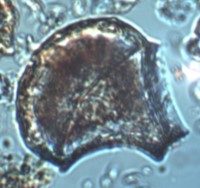

Indica Publications
– Bates, J., 2025. What’s in a name? The messy taxonomy of Oryza sp. and how it has impacted our archaeobotanical modelling of rice domestication. Quaternary Environments and Humans 3, 100080. https://doi.org/10.1016/j.qeh.2025.100080
– Bates, J., Singh, V.K., Singh, R.N., Singh, M., Mohan, B., Chakradhari, S., Conte, M., Gankhuyag, O., James, N., Jollu, R., Konar, S., Kumar, S., Pandey, A.K., Pangyu, K., Singh, A.P., Singh, A., Singh, S.K., Singh, U., 2025. Hoofprints in the yard: The discovery of bovid, caprid and (large) feline/canid tracks in an external courtyard from the early Iron Age of Tokwa, India. Journal of Archaeological Science: Reports 66, 105327. https://doi.org/10.1016/j.jasrep.2025.105327
– Singh, V.K., Bates, J., Singh, R.N., Singh, M., Mohan, B., Chakradhari, S., Singh, S.K., Chung, H.H., Conte, M., Gankhuyang, O., James, N., Jung, Y., Jollu, R., Jung, S., Kim, J., Kim, P., Kim, S., Singh, U., Konar, S., Kumar, S., Pandey, A.K., Robinson, L.A., Seo, Y., Singh, A.P., Singh, A., Kumar, D., Joglekar, P.P., 2024. Excavations at Tokwa (2023-2024), Mirzapur District, Uttar Pradesh. Man and Environment XLIX, 20–32.
– Bates, J., Singh, V.K., Singh, R.N., Singh, M., Mohan, B., Chakradhari, S., Singh, A.P., Conte, M., Oh, Y., 2024. Radiocarbon dates from the archaeological site of Sakas, Bihar, India. Radiocarbon 1–13. https://doi.org/10.1017/RDC.2024.42
– Bates, J., 2021. Is Domestication Speciation? The Implications of a Messy Domestication Model in the Holocene. Agronomy 11, 784. https://doi.org/10.3390/agronomy11040784


Ashmounds Publications
– Bates. J. 2022. The Origins and Development of Agriculture in South Asia. Oxford Research Encyclopedia. Oxford University Press. https://doi.org/10.1093/acrefore/9780190854584.013.553
– Bates, J., Jiménez-Arteaga, C., 2024. Comparable quantification methodologies in archaeobotany – a work-in-progress and debate. Veget Hist Archaeobot. https://doi.org/10.1007/s00334-023-00982-6
Ashmounds: Southern Indian Monuments of Memory (c.3000-1200BC)
The Ashmounds Project explores the the development of ashmounds, an enigmatic, gigantic feature on an otherwise relatively flat landscape. Ashmounds are great vitrified burnt mounds of cattle dung, sometimes but not always found in association with settlements. Work on the ashmounds has shown us that these burnt layers of cattle dung, that reach meters in height and can cover vast areas, were made in layers and potentially built over hundreds of years. They therefore represent a place that people interacted with over generations, creating a marker of memory in a changing landscape. The goals of the project are:
- To explore the construction methods of the mounds
- To accurately reconstruct the chronology of mound construction and use
- Use this information as part of efforts to protect and preserve these monuments
Through a combination of macrobotanical, phytolith, geochemical and radiocabon dating techniques the sites of Palavoy and Kudatini are going to be used as case studies in this study. Work is led by Prof. Bates of SNU alongside Prof. Ravi Korisettar of Bellari Museum and Prof. Marco Madella of UPF, with the support of the ASI. Funding is provided by the SNU Startup Grant.
LandCover6K & Korean Working Group
Human societies have managed and modified Earth’s landscapes for thousands of years, altering global patterns of biodiversity, ecosystem functioning, and climate. However anthropogenic modifications and land use accelerated with the emergence of agriculture. This pace of change will only accelerate further with the land changes to come under the 4th Industrial Era. But notwithstanding some recent interest in these early changes from the climate modelling community, their extent, trajectory, and implications are still not fully understood, and the implications of our long term history for future climate change predictions need more research.
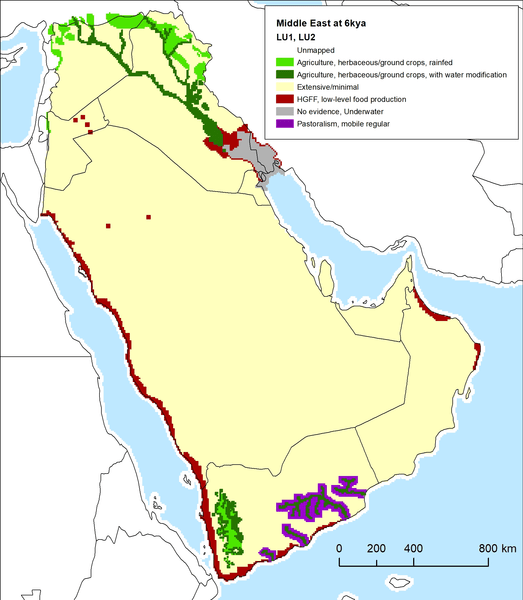
LandCover6K (LC6k) is an international and interdisciplinary PAGES working group joint data-based reconstruction of past land cover (using palaeo-vegetational proxy data) and land use (using archaeological and historical data). Through big-data analysis, this ambitious attempt to globally aggregate and synthesize evidence for land use and land cover change, from the moment of early farming to the beginnings of industrialization is reconstructing land cover and land use across the Holocene.
LC6k Korean Working Group builds on current research on global past land use to deliver data-driven models of anthropogenic changes in landscape and environment. Supported by Samsung Electronics Research Grant Project, the KWG is leading efforts to map land use changes in the Korean Peninsula across the Holocene. This region is of particular importance to understanding the impacts of human societies on past climates, environments and change for example through the role of the introduction of rice agriculture and its implications for the Anthropocene debate. The ultimate goal of this project is to improve our understanding of human responses to change, including social, technological and cultural adaptations to climate fluctuations, for prediction of climate change in the future and how this will look during the next stages of human land use as we become more connected, for example during the 4th Industrial Era.
The lab is also engaged in the global LC6k work with PAGES, with Prof. Bates part of the co-ordinating team in several regions, including South Asia. The Korean Working Group is funded by SNU-Samsung Electronic Grant.


LC6k Publications
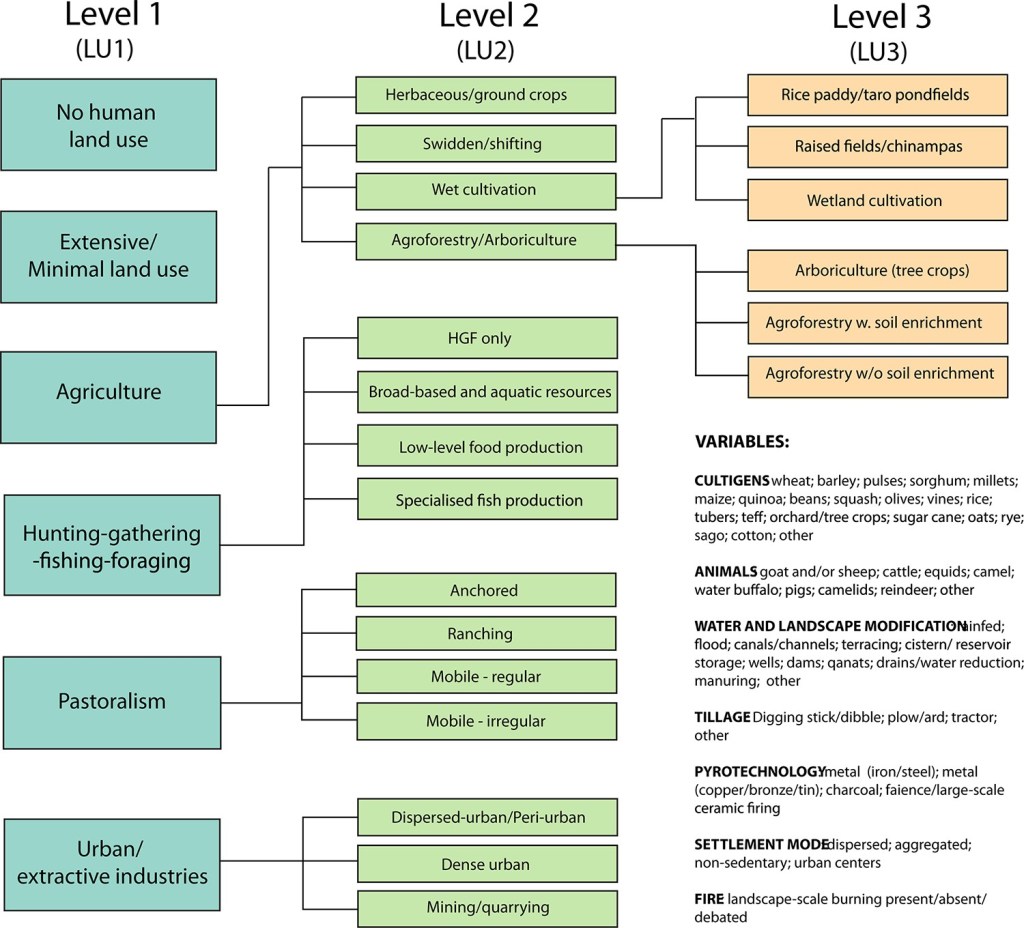
– Morrison, K.D., Hammer, E., Boles, O., Madella, M., Whitehouse, N., Gaillard-Lemdalh, M.J., Bates, J., Vander Linden, M., Merlo, S., Yao, A., Popova, L., Hill, A.C., et al. 2021. Mapping past human land use using archaeological data: a new classification for global land use synthesis and data harmonisation. PloSOne. https://doi.org/10.1371/journal.pone.0246662
– Conte, M., Bates, J., 2024. Holocene utopias and dystopias: Views of the Holocene in the Anthropocene and their impact on defining the Anthropocene. The Anthropocene Review 20530196241245650. https://doi.org/10.1177/20530196241245650
– Hill, C., Madella, M., Whitehouse, N.J., Jiménez-Arteaga, C., Hammer, E., Bates, J., Welton, L., Biagetti, S., Hilpert, J., Morrison, K.D., 2024. Per Capita Land Use through Time and Space: A New Database for (Pre)Historic Land-Use Reconstructions. Land 13, 1144. https://doi.org/10.3390/land13081144
LC6k South Asia Working Group Publications
– Bates, J., Morrison, K.D., Madella, M., Hill, A.C., Whitehouse, N.J., Abro, T., Ajithprasad, P., Anupama, K., Casile, A., Chandio, A., Chatterjee, S., Gangopadhyay, K., Hammer, E., Haricharan, S., Hazarika, M., Korisettar, R., Kumar, A., Lancelotti, C., Pappu, S., Parque, O., Petrie, C.A., Premathilake, R., Selvakumar, V., Sen, S., Spate, M., Trivedi, M., Veesar, G.M., Vinayak, V., 2025. Early to Mid-Holocene land use transitions in South Asia: A new archaeological synthesis of potential human impacts. PLOS ONE 20, e0313409. https://doi.org/10.1371/journal.pone.0313409
LC6k Korean Working Group Publications
– Riris, P., Silva, F., Crema, E., Palmisano, A., Robinson, E., Siegel, P.E., French, J.C., Jørgensen, E.K., Maezumi, S.Y., Solheim, S., Bates, J., Davies, B., Oh, Y., Ren, X., 2024. Frequent disturbances enhanced the resilience of past human populations. Nature 629, 837–842. https://doi.org/10.1038/s41586-024-07354-8

Meso-Neo Rice Publications
– Bates, J. 2022. The fits and starts of Indian rice domestication – how the movement of rice across northwest India impacted domestication pathways and agricultural stories. Frontiers of Ecology and Environment (special issue: Effects of Novel Environments on Domesticated Species). https://doi.org/10.3389/fevo.2022.924977
Meso-Neo Rice: testing the early rice domestication hypothesis in the Ganges Mesolithic and Neolithic
As a pilot study for Indica, the Meso-Neo Rice project has been looking into the Gangetic early rice use debates. Data from the site of Sakas, excavated by Prof. Ravindra Nath Singh and Dr Vikas Singh at partner university Banaras Hindu University, with the support of the ASI, have provided material from testing some initial hypotheses and methods.
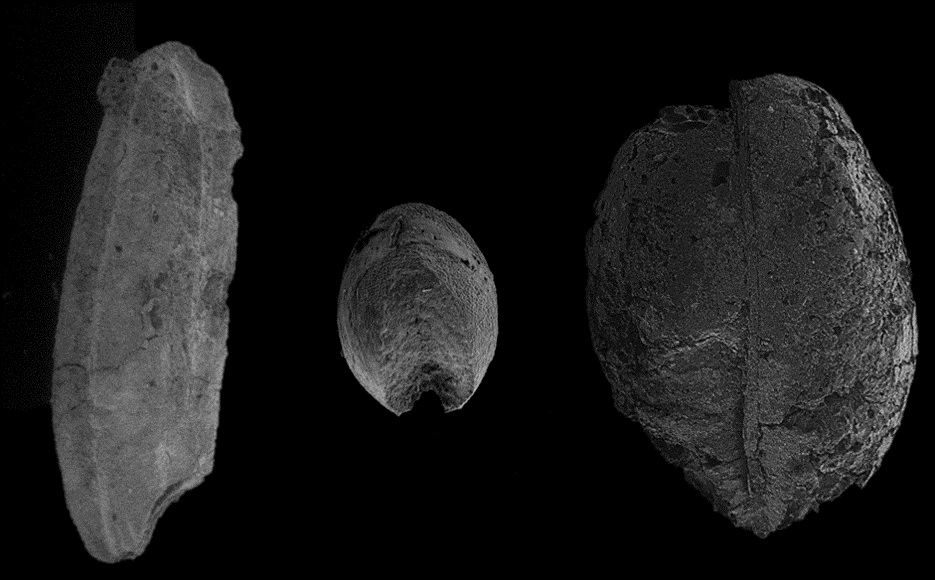
The initial results from Sakas are showing a high proportion of rice, but also lentils, with small quantities of wheat (mainly emmer) and barley (naked and hulled). This is making us rethink the dating of the site, and radiocarbon dating is underway with partners at Belfast NERC Radiocarbon Lab. In addition the short, squat nature of the rice is leading to questions about the species level identification of the rice – notoriously challenging on rice. Morphometrics once the Keyence arrives is one of our next steps in analysis, along with a study of the lentils. These non-native pulses at Sakas are interesting for two reasons: we have two sizes of lentils, perhaps suggetsing feralisation as well as domesticated grown pulses, but also evidence of cooking. Further quantification of both of these is needed.
This project is supported by the Research Grants for Asian Studies funded by Seoul National University Asia Center (SNUAC) 2021-2022.
Student Projects
Matthew Conte
As part of his PhD thesis work, Matthew is exploring the arrival, spread and impact of different crops and agricultural systems in the Korean Mesolithic and Neolithic periods (often refered to as the Jeulman pottery period). These periods are under researched in Korean archaeology, and archaeobotanically not well understood, represented by chance finds and hand collected remains. Through working with the Korean Neolithic Society, Matthew aims to explore both when new crops arrived (such as millet and rice) and whether these had a fast/slow dramatic/gradual impact on life and foodways in the Korean Peninsula. Matthew is supervised by Prof. Kim Jangsuk and advised by Prof. Bates.
Kim Pangyu
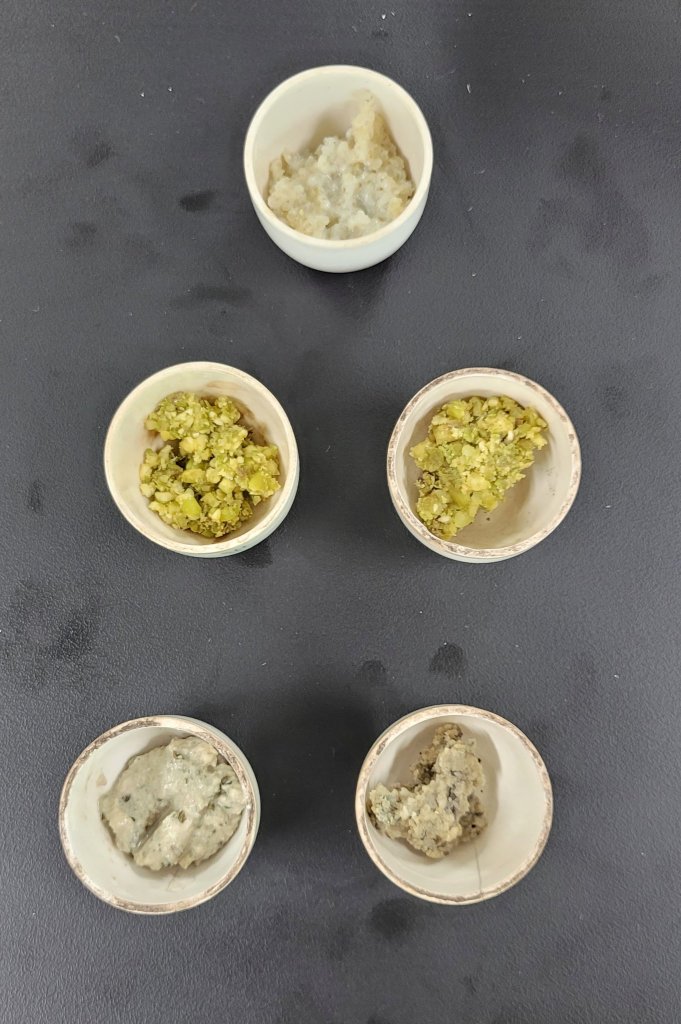
Pangyu is exploring how cooking technologies impact seed taphonomies. In Valamoti et al.’s (2011) paper on pulse processing in Greece they noted that Vicia was altered by boiling, leading to lipping round the edges of the cotelydons, among other changes. In samples from Gangetic Neolithic Sakas, we have noticed changes to lentils, but a wide diversity of changes. To explore what kinds of cooking technologies could do this, a experiment has been set up, guided by ethnographic observations. The results will be compared with the archaeological lentils to consider what culinary practices may have led to the formation of the ancient assemblages.
Kim Sunghui
Sunghui has been working on palaeoecological reconstruction, and has worked on a multi-university project to explore Palaeolithic environments in the UK c.700,000-400,000 years ago. Using phytoliths she carried out a pilot study to reconstruct the grassland-forest coverage and how this changed over time (published in Nature Ecol Evol).
Li Xiaoqi
As part of the Harappan Resources Landscape (see below), Xiaoqi is extracting phytoliths from burial contexts in the Indus Civilization to look at burial practices. She is asking the question – was food a part of mourning systems in the Indus Civilization and can we track this microscopically?
Choi JungWoo
JungWoo is an alumni of the lab and has worked on a couple of projects, including exploring marginality in economic systems in the Indus (published in Antiquity), and also experiments on citrus peels. These experiments aimed to refine the identification potential of archaeological finds will be published shortly.


Student Project Publications
– Bates, J., Choi, J., 2023. Different strategies in Indus agriculture: the goals and outcomes of farming choices. Antiquity 1–13. https://doi.org/10.15184/aqy.2023.134
– Key, A., Clark, J., Lauer, T., Bates, J., Sier, M.-J., Nichols, C., Martín-Ramos, C., Cebeiro, A., Williams, E., Kim, S., Stileman, F., Mika, A., Pope, M., Bridgland, D., Redhouse, D., Leonardi, M., Smith, G.M., Proffitt, T., 2025. Hominin glacial-stage occupation 712,000 to 424,000 years ago at Fordwich Pit, Old Park (Canterbury, UK). Nat Ecol Evol. https://doi.org/10.1038/s41559-025-02829-x


Additional Project Publications (since 2022)
EHLTC
– Bates, J., Wilcox Black, K., Morrison, K.D., 2022. Millet bread and pulse dough from early Iron Age South India: Charred food lumps as culinary indicators. Journal of Archaeological Science 137, 105531. https://doi.org/10.1016/j.jas.2021.105531
– Morrison, K.D., Sinopoli, C., Wilcox Black, K., Trivedi, M., Bauer, A.M., Reddy, S.N., Srinivasin, S., Lycett, M.T., Haricharan, S., Bates, J., Kashyap, A., 2022. From the Southern Neolithic to the Iron Age: a View from Kadebakele, in: Korisettar, R. (Ed.), Beyond Stones and More Stones. The Mythic Society, Bengaluru.
TwoRains
– Angourakis, A. et al. 2022. Weather, land and crops in the Indus Village model: a simulation framework for crop dynamics under environmental variability and climate change in the Indus Civilization. Quaternary 5(2):25. https://doi.org/10.3390/quat5020025
Indus Borders
– Bates, J., Petrie, C.A., Ballantyne, R., Lancelotti, C., Saraswat, K.S., Pathak, A., Singh, R.N. 2022. Cereal Grains and Grain Pulses: Reassessing the archaeobotany of the Indus Civilisation and Painted Grey Ware period occupation at Alamgirpur district Meerut U.P. Indian Journal of Archaeology. 6(2): 495-522
Ur Survey
– forthcoming
Indus phytoliths and histories
– forthcoming
Ancient Alcohol Project
– forthcoming
Additional Projects in the Labs
Early Historic Landscapes of the Tungabhadra Corridor (EHTLC)
The EHTLC project (co-directed by Prof. Morrison and Prof. Sinopoli) explores continuity and change in economic, social, and political organization in northern Karnataka (India) between c. 3000 BC-AD 1500, focusing on material patterning at multiple spatial scales. While the temporal research of the project extends from the Southern Nelothic to the Middle period, at present we are focused on the Iron Age and Early Historic, a time of remarkable change in peninsular India. As the current archaeobotanist on the project (continuing from the work of Dr Seetha Reddy), Prof. Bates is looking at macrobotanical and phytolith remains to understand the foodways, agriculture and environment at the site. More information can be found here: https://web.sas.upenn.edu/pennpaleoecology/early-historic-landscapes-of-the-tungabhadra-corridor/
TwoRains
Co-directed by Prof. Petrie and Prof. Singh, TwoRains is an ERC project (completed 2021) looking at the impact of the 4.2k climate event on the Indus Civilization of northwest India and Pakistan c.2100-1500BC. The project developed out of early work by the Land, Water, Settlement Project of which Prof. Bates was also a part and did her PhD on materials excavated by LWS. TwoRains is a multidisciplinary project with many specialists involved, and is currently collating the various datasets it created to build models of Indus systems. More on TwoRains can be found here: https://www.arch.cam.ac.uk/research/projects/current-projects/tworains
Indus Borders
Building on work from her Phd, Prof. Bates developed a research project as part of her Trevelyan Research Fellowship at Selwyn College, Cambridge to look at how the Indus interacted with cultures around its edges. These include the Ganeshwar-Jodhpura Cultural Coplex, sites like Alamgirpur in the Ganges-Yamuna doab, and sites in the Bannu District. This work was carried out in concert with Prof. Petrie of the University of Cambridge, Prof. Singh of Banaras Hindu University, and Prof. Ken Thomas of UCL. Work is ongoing as there is a vast amount of data and this is an area of exciting discoveries, and in the Bannu especially requires the use of legacy materials. Publications on Alamgirpur are already available and papers on Ganeshwar and Sarai Khola are in preparation.
Ur Survey
The Mesopotamian city of Ur is a world famous site. Over several years it has been systematically surveyed by Prof. Hammer and colleagues, and is being re-escavated in a project led by Prof. Stone. As part of the survey work several cores have been taken from water systems (presumed to be either irrigation ditches or sewers) around the city and port. As part of the multi-proxy study of these cores, and with collaboration with colleagues from Yonsei University, Prof. Bates is carrying out an initial study of the sediments to assess the phytolith and diatom assemblages to look at changes over both time and space in the survey region.
Harappan Resource Landscapes
Indus archaeobotany has a long history of research. One of the key researchers within this was Prof. Steve Weber who sadly passed away recently. His work has had a huge influence on agricultural reconstructions. Amongst this was analysis from Rojdi and Farmana. At these sites work focused mainly on macrobotanical remains, but soil was also collected for additional analysis. Working with Prof. Jade D’Alpoim Guedes, SNU is assisting in adding to Prof. Weber’s legacy. Phytolith analysis from Farmana will be completed and phytoliths will add to the knowledge of the site of Rojdi.
Histories of Indus Archaeobotany
As part of the legacy of Prof. Steve Weber’s work, SNU has been gifted his field diaries. Working with Prof. D’Alpoim Guedes and Prof. Bill Belcher we will transcribe these and that this piece of archaeological history is retained for future generations.
Ancient Alcohol Project
Support by the Korean NRF (일반공동연구유형) and led by Prof. Lim SangTaek from Pusan National University, the question of how can we track the origins of alcohol and fermented food production in Korea is being addressed by researchers from many universities. SNU archaeological sciences labs is part of this. Prof. Bates and Dr Lee Jinok are working on the phytoliths, and the labs are hosting other scientists for chemical extractions (starch and residues).
 SNU Archaeological Labs