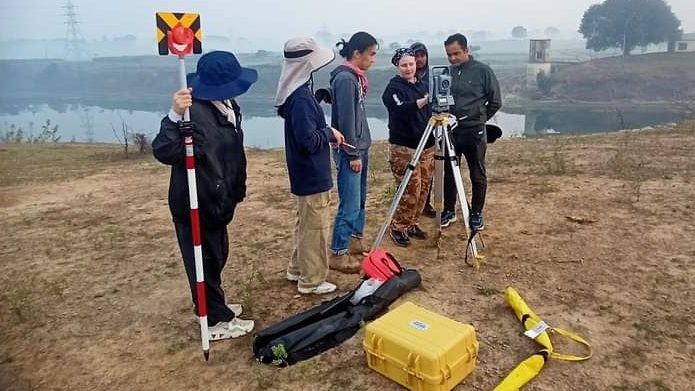
Teaching
Teaching is something Prof. Bates deeply values. Archaeology is a multidisciplinary subject, utilising skills, method and theory from within archaeology, but also from across anthropology, the sciences, social sciences and beyond to help us understand the past and how it influences our present and the future. Her courses aim to provide foundations for studying archaeology but also ideas to tackle modern and future problems, as well as prepare students for their research and for the job market (within and beyond academia).
At SNU she teaches a wide diversity of classes, all in English as part of the university’s internationalization programme. These courses are a mix of lecture, seminar and lab based classes designed to introduce students to archaeology and to research. Her courses include both archaeological sciences, the principles of archaeological method and theory, regional overviews (pan-global), and discussions of key themes in archaeology. She also brings research skills classes for the graduates, and teaches essay writing, critical thinking skills, and material handling across all three degree levels.
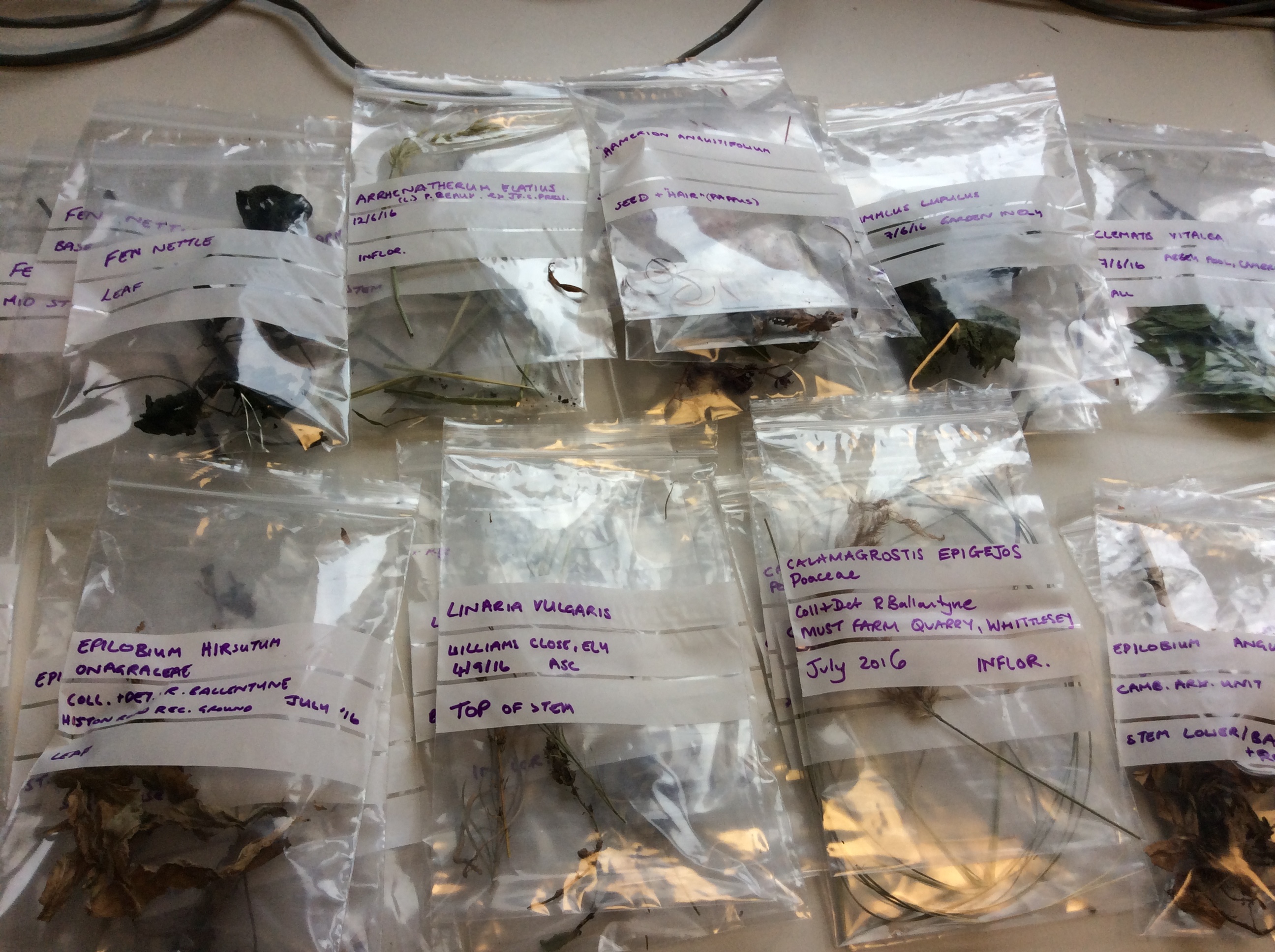
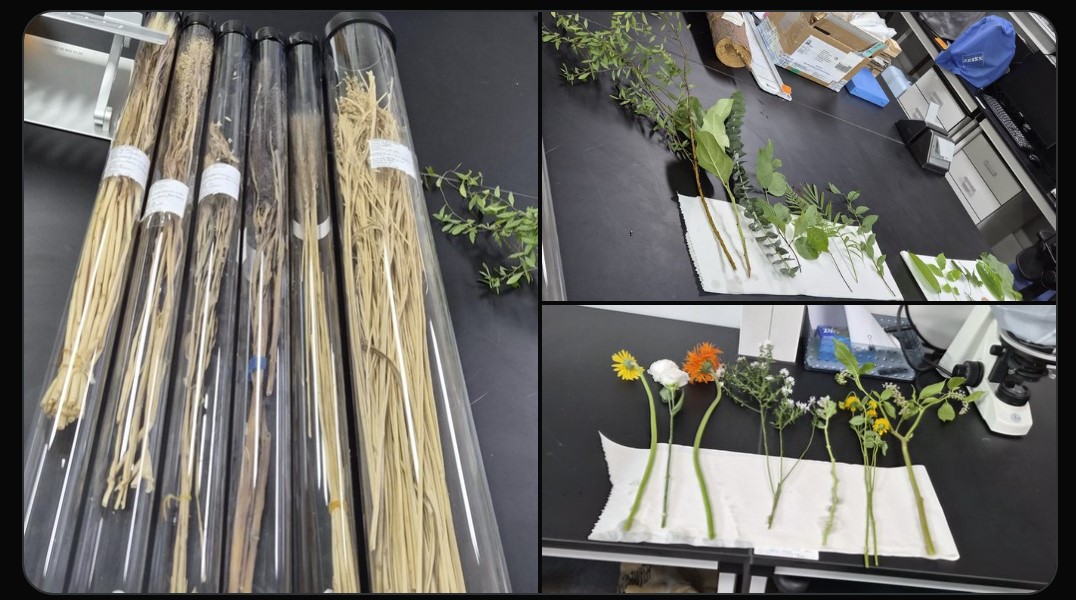
Prof. Bates’s favourite class to teach in Archaeobotany, an introduction. This graduate level class, which is also open to undergraduates, is a combined lecture and lab course aimed to familiarize students to her specialism. Through the lectures students are introduced to the theories behind archaeobotany, ranging from the basics of sampling procedures, to the more in-depth ideas around how crop processing modelling can be used to think about urban food supply (for instance). The lab sessions are woven into this, ensuring students are able to handle archaeobotanical materials and identify the full range of commonly found seeds, woods, and microfossils. This course provides a solid foundation for any student wishing to pursue archaeobotany as a specialism, and for others as a way to understand why archaeobotany is important, what questions it can answer, and how the entire process of analysis and interpretation is carried out.
Keeping in this theme, Subsistence Economies in Archaeology is an undergraduate class that looks at food throughout the long duree of human history. Taking the idea of Malthus, Erlich and the Anthropocene as a starting point – will we run out of food in the near future and what can we do about this? – the course dives all the way back to 7 million years ago (and beyond) to run through what we know about diet, food and human development. It breaks our food history into themes – the origins of human diet, procure or produce, supply and store, power and identity, and the future – to ask what do we know about food and how can we use this as we prepare for the Anthropocene. The course is deliberately interdisciplinary and global to get students to practice thinking critically and comparatively. It uses essays and ‘supervisions’ (group discussion), as well as object handling sessions and outings to bring the topic to life.
Core courses are also something Prof. Bates feels passionate about maintaining. Introduction to World Prehistory, Practice of Archaeology (post-excavation methods), Archaeological Science introduction (once affectionately taught as ‘A Secret History of Ancient Toilets’ as a way to focus the mind on the topic and make it more entertaining while teaching), Intro to Theory, Methods in Archaeology (excavation methods), are all areas she has covered. Alongside these are regional overviews. Indus Civilization and Egypt are current topics, and she is preparing course on Mesopotamia and the Mayans for the next few semesters. These are all taught at undergraduate level as lecture courses.
At graduate level it is important that students dive into topics and practice their debating and critical thinking skills. ‘Boutique’ seminars are a joy to engage in, and topics have included ‘What is the Neolithic’ (expanded to an entire session at World Neolithic Congress and under discussion with the grads for a journal special issue), The Anthropocene, and Domestication. As well as these, preparation for research is key, and Prof. Bates regularly teaches classes on Research Skills that is open to all students across the Humanities. This is under discussion to become a core topics pan Humanities at SNU. This course includes learning what counts as a thesis compared with a long essay, how to find sources and evaluate them, how the peer review system works, how IRB works, what to do when writing grant applications, practicing for conferences, and making a CV (amongst other vital skills). Students tailor their experience in this class through the coursework, making their submitted work into a prospectus package for job applications, grants, and dissertation proposals for the coming year as needed.
Teaching Experience
Archaeobotany
Lab, Lecture – SNU (Graduate)
Method
Comparative Neolithics
Seminar – SNU (Graduate)
Thematic
Domestication
Seminar – SNU; Upenn (Graduate)
Thematic
The Anthropocene
Seminar – SNU (Graduate)
Thematic
Research Methods
Seminar – SNU (Graduate)
Method
Subsistence Economies in Archaeology
Lecture, Supervision – SNU (Undergraduate)
Thematic
Ancient Egypt
Lecture – SNU (Undergraduate)
Regional
Introduction to World Prehistory
Lecture – SNU (Undergraduate)
Regional
Indus Civilization
Lecture – SNU; Brown University (Undergraduate)
Regional
Field Methods in Archaeology
Lecture, Practical – SNU (Undergraduate)
Method
Methods in Archaeology
Lecture, Practical – SNU (Undergraduate)
Method
How Our Environment Has Shaped Us
Lecture, Practical – UPenn (Undergraduate)
Thematic
Secret History of Ancient Toilets
Lecture, Practical – Brown University (Undergraduate)
Method
Archaeological Science I
Lecture, practical – University of Cambridge (Undergraduate)
Method [archaeobotany]
Introducation to Archaeology
Seminar (TA) – University of Cambridge (Undergraduate)
Thematic, regional
Introduction to Archaeological Thought II
Seminar (TA) – University of Cambridge (Undergraduate)
Theory
Core Archaeology
Seminar (TA) – University of Cambridge (Undergraduate)
Theory
Archaeology in Practice
Seminar (TA) – University of Cambridge (Undergraduate)
Method [including overview; microscopy; archaeobotany]
Development of Human Society
Seminar (TA) – University of Cambridge (Undergraduate)
Thematic
Archaeology in the Lab
Seminar (TA) – University of Cambridge (Undergraduate)
Method
Landscape
Seminar (TA) – University of Cambridge (Undergraduate)
Thematic
Guest Lecture Teaching
Special Lecture Introduction to Asian Civilization
SNU (Undergraduate)
Regional [Indus Civilization]
Aspects of Medieval Culture: Food in the Medieval World
Cornell University (Undergraduate)
Thematic [South Asia; archaeobotany]
Neolithic ‘Revolutions’
Brown University (Undergraduate)
Thematic [South Asia]
Palaces: built to impress
Brown University (Undergraduate)
Thematic [Indus Civilization]

 SNU Archaeological Labs