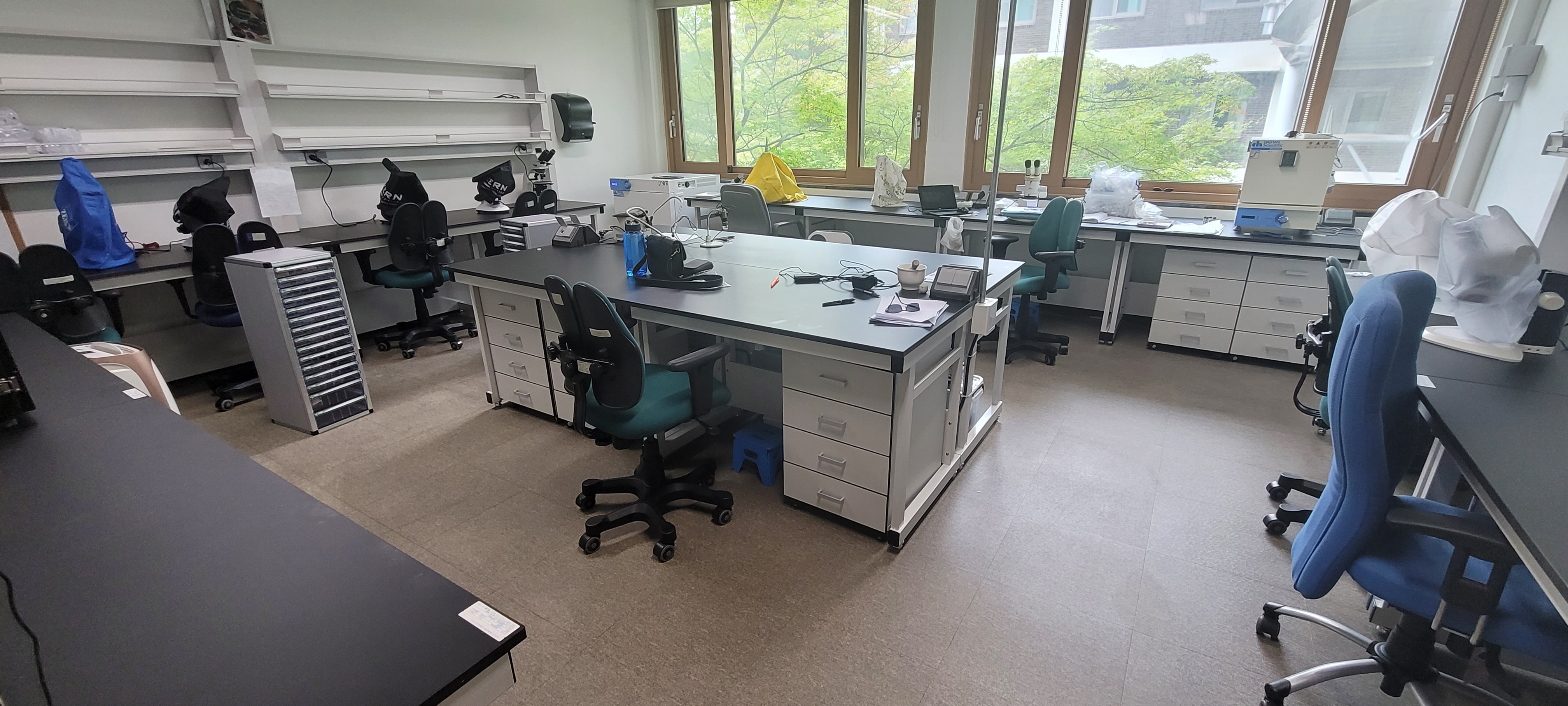
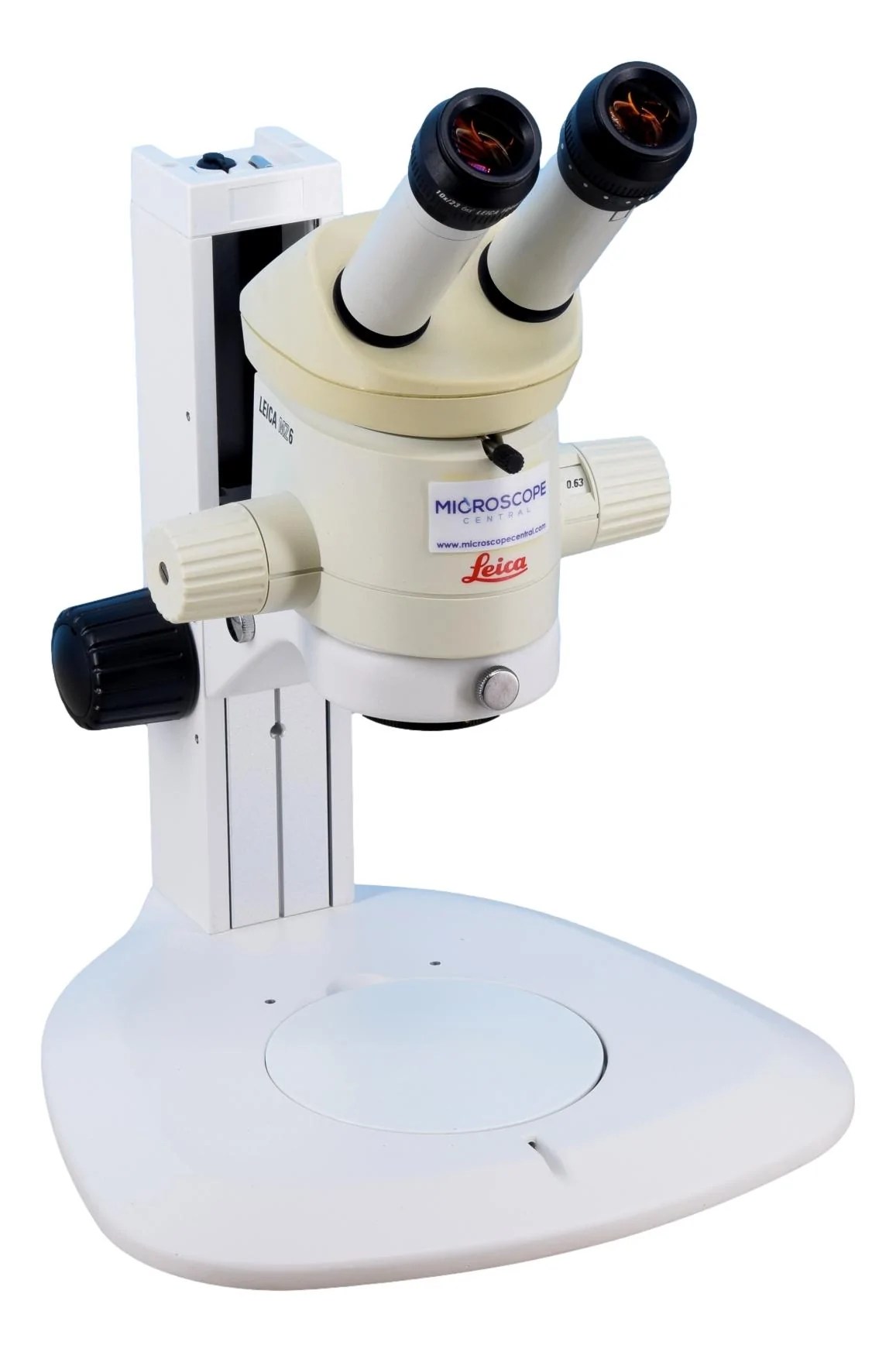
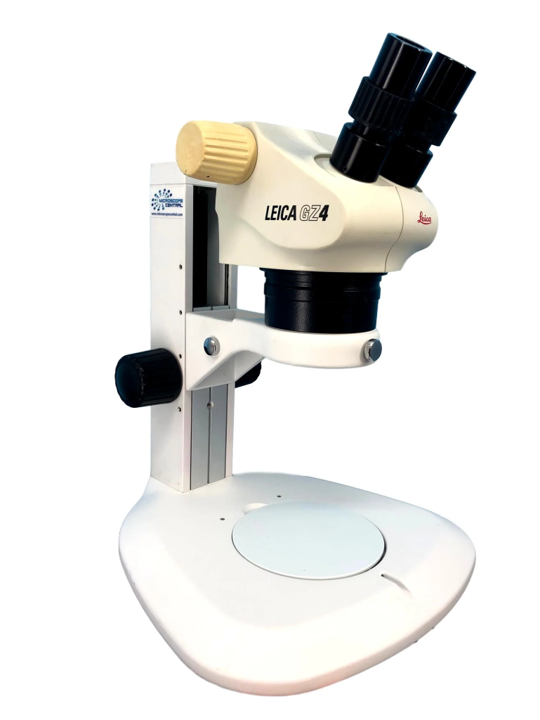
Reflected light microscopy (macrobotanical and small object):
The lab has three Leica MZ6, one GZ4 and one EZ4 microscopes. These have a functional range from 0.63x-4.0x magnification.
Transmitted light microscopy (microbotanical/geoarchaeology):
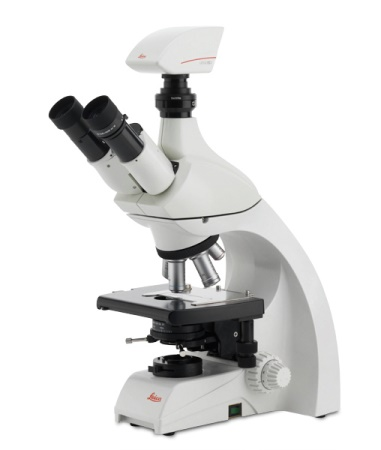
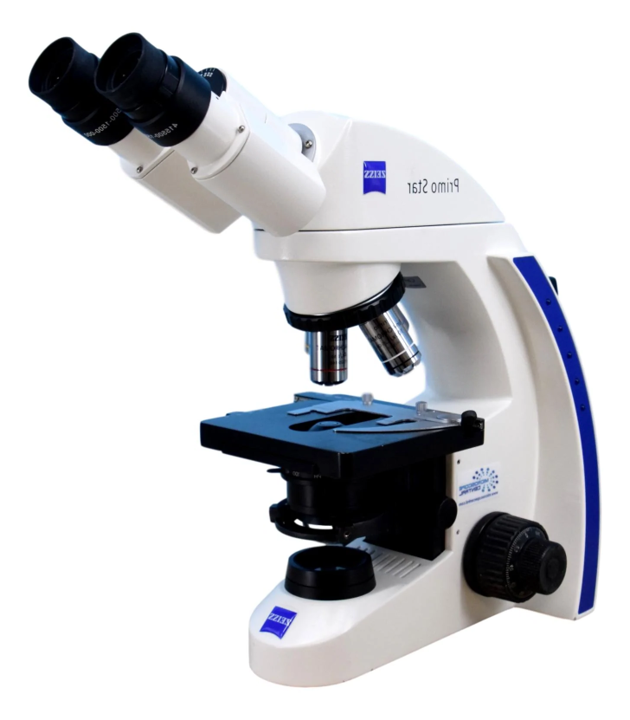
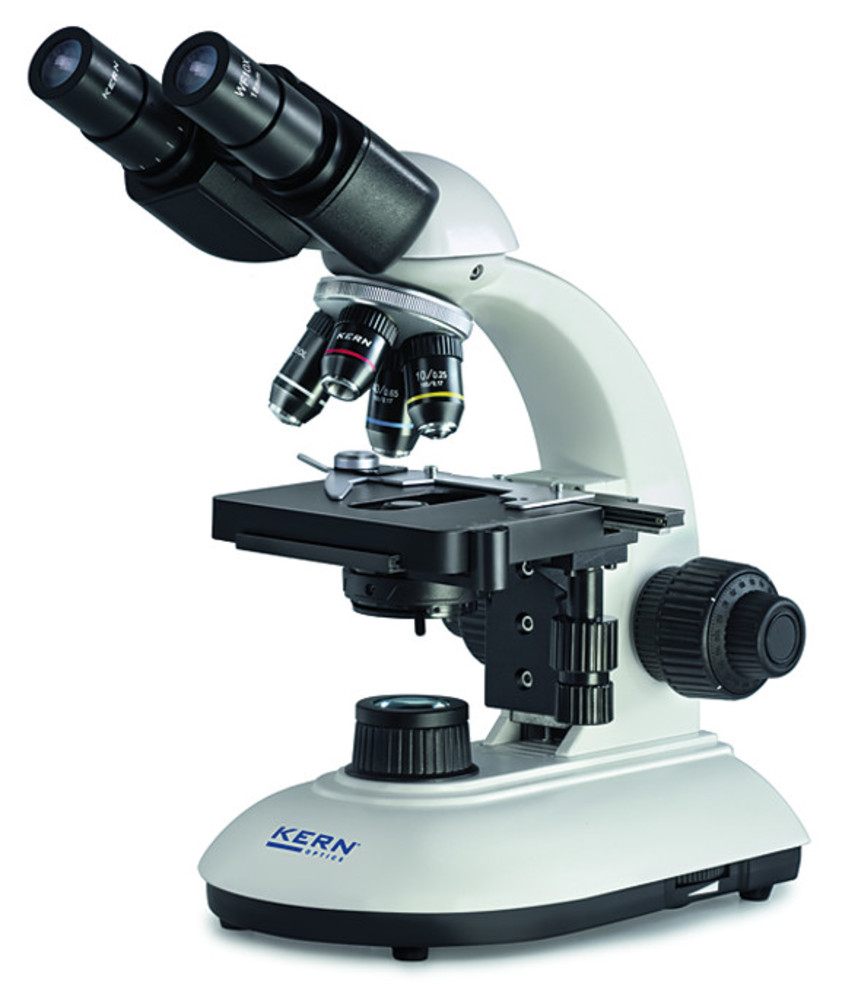
Three Kern OBE 112 and a Kern OBN 135 (with additional darkfield) form the basis for TLM in the lab. This is complimented by a Zeiss Primo Star with GT 5.0 camera. These are good counting microscopes for phytoliths, pollen and other samples that need x-y translation stage functionality.
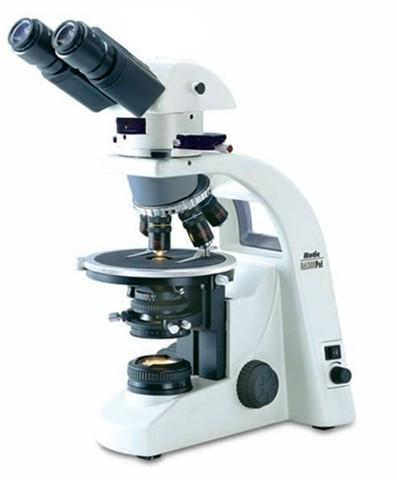
The Motic BA300 POL forms the basis for geoarchaeology analysis with a 360o stage and polarising function.
All TLM scopes in the lab have 4x, 10x, 20x, 40x, and 100x oil objectives, with a capacity for switching out to other objectives if needed.
Imaging Microscopy:
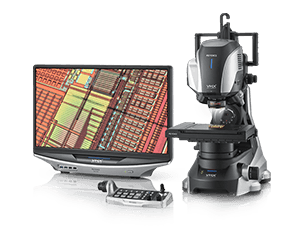
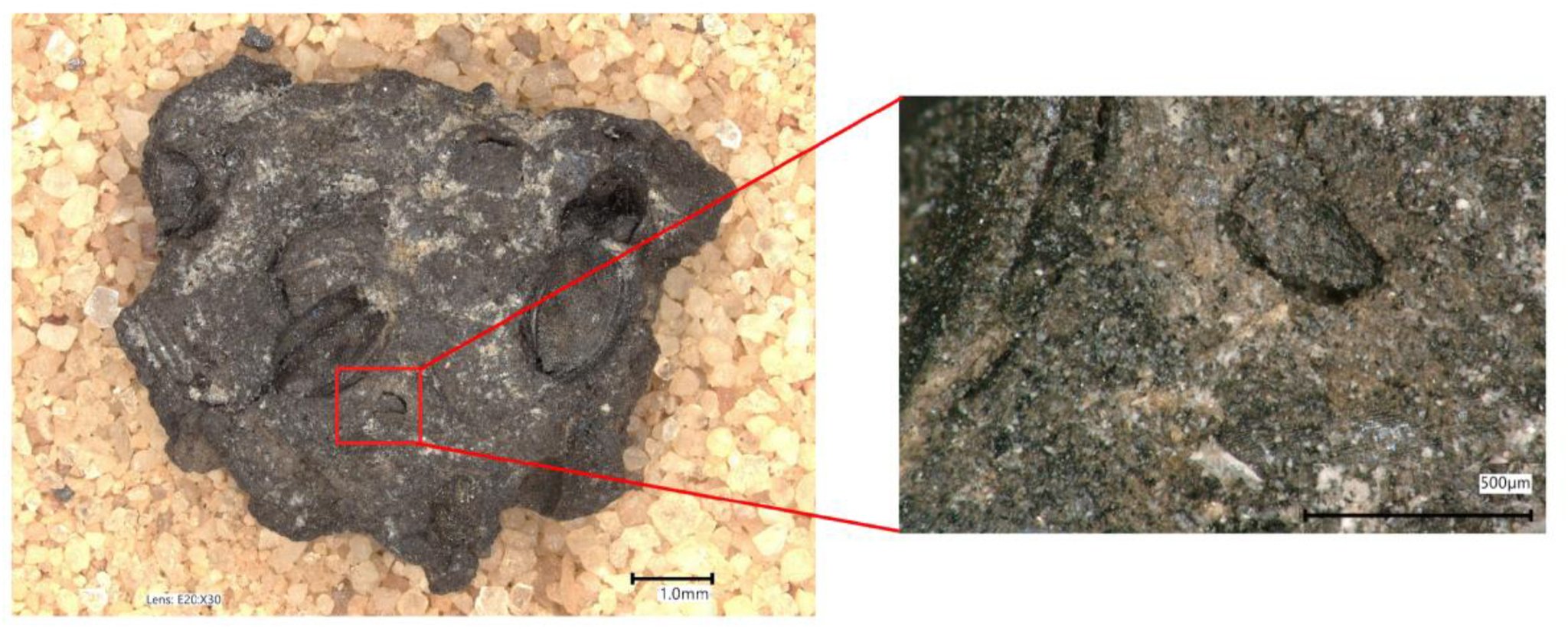
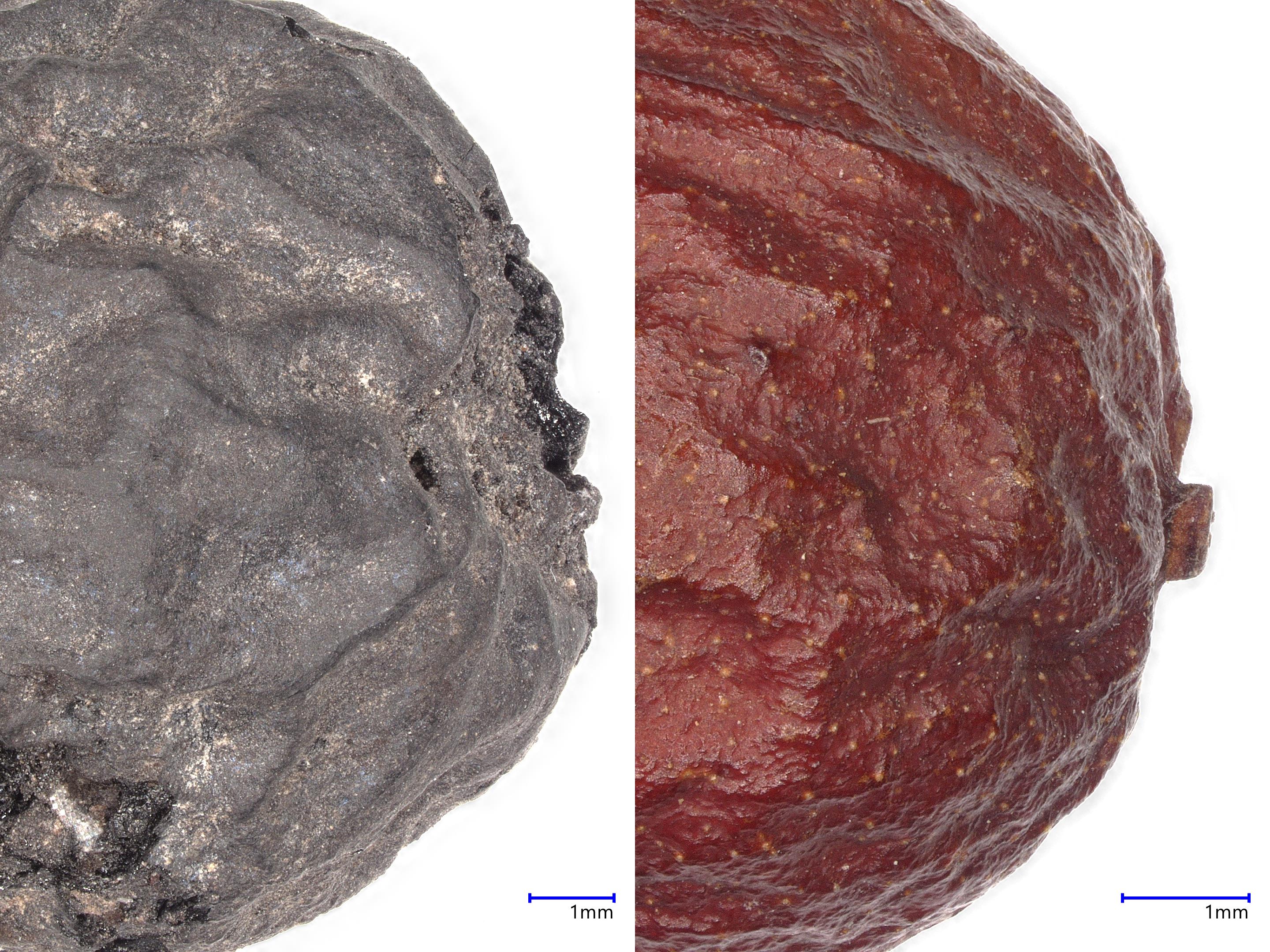
The lab has a Keyence VHX7000. This microscope combines reflected and transmitted light and allows for multiple lighting choices as well as z-stacking and image stitching. The rotating head and multi-depth stage allows for a range of objects sizes to be examined from 10x-2500x magnifications. Polarising filters, a extended base plate and changeable working distance are also features present on the SNU VHX7000.
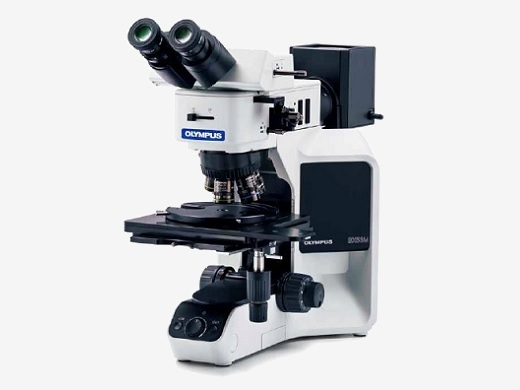
The lab also hosts a Leica DM750 with Flexcam C3 camera and Olympus BX53MRF with DP74 camera. These create high quality imaging TLM. The scopes have x10, x20, x40 and x100 oil objectives, and come with state-of-the-art imaging software.
Reference collection:
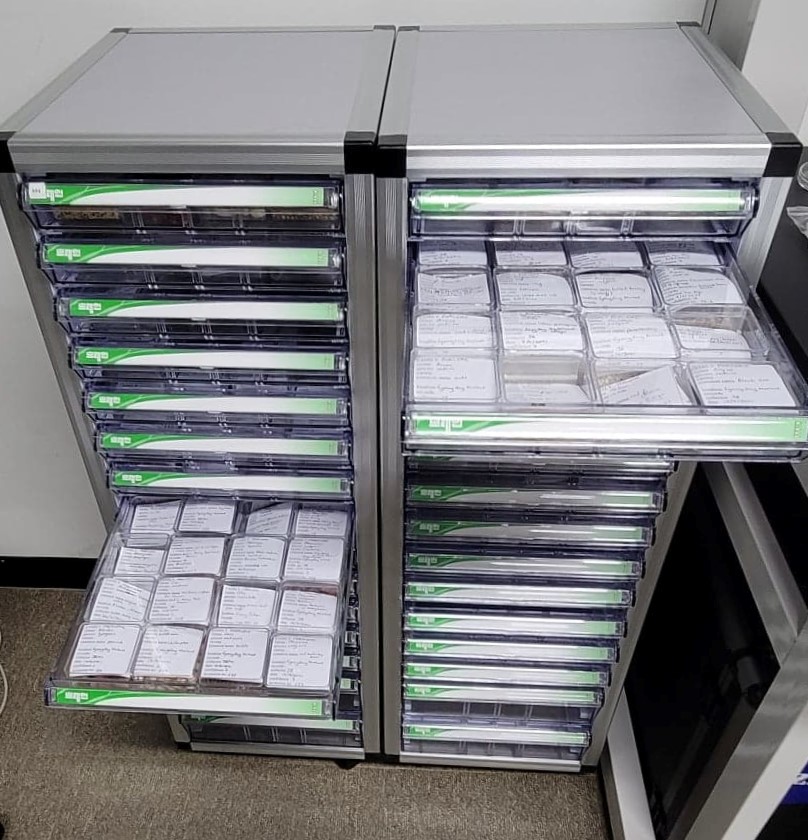
The Archaeobotany lab has been developing its reference collection with particular focus on South Asian and East Asian taxa, alongside the globally important crops. It hosts an interlinked database of the seed collection, phytolith collection, pollen collection and vegetation collection. A link to view the collections is available here: SNU Archaeobotany Lab Reference Collections.
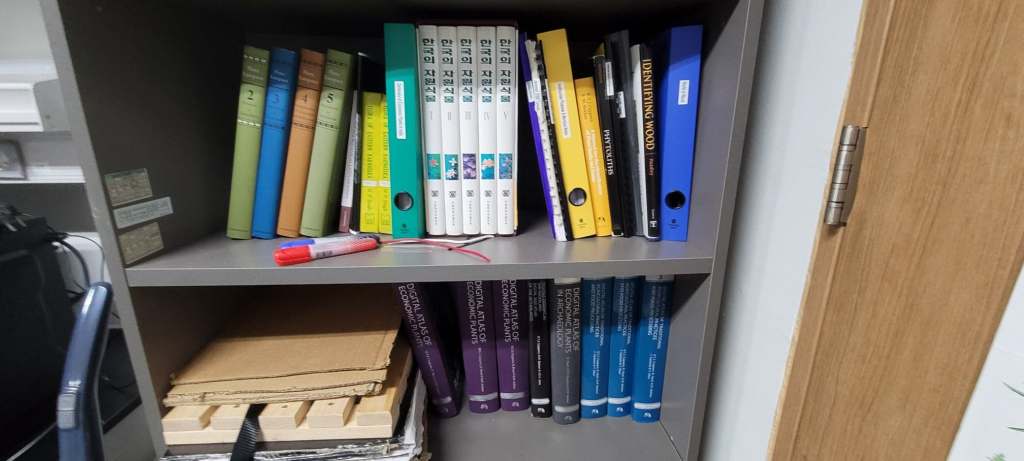
In addition a strong collection of reference books is available to researchers and a growing collection of relevant Floras is developing (Flora Europea, Flora Karnataka, Flora of British India, Flora Korea).

Wet Chemistry Lab
The prep lab space is set up for phytolith and diatom extraction, with the possibility for other SOPs such as isotopic and geochemical preparation. Additional methods can be discussed as needed and protocols and materials put in place. Currently the lab hosts a fume hood, chemical cupboards for flammables, irritants/environmental hazards and corrosives, as well as fridge-freezer for chemicals and samples. The labs have muffle furnace and oven capacity, as well as drying cabinets to ensure samples and chemical processes can be carried out safely and as needed. The lab is monitored by SNU SAFE.
SOPs
The Archaeobotany and Wet Chemistry Labs’s SOPs (standard operating protocols) can be found here: SNU Archaeobotany and Wet Chemistry SOPs. These are being updated and added to regularly and are considered’working documents’ subject to change as needed.
Zooarchaeology, Osteoarchaeology, Geoarchaeology and Archaeomaterials
SNU Archaeology also boasts an excellent zooarchaeological reference collection in the Zooarchaeology Lab of Prof. Lee JuneJeong. In this lab zooarchaeological analyses and osteoarchaeological studies are conducted. Large layout table space is available for comparison of samples and with the extensive reference collection.
The Archaeomaterials Lab (Prof. Kim Jangsuk) has capacity for PXrF analysis, 3D Scanning and has recently added a microtome and resination system. This allows for in-depth study of the origins and non-destructive chemical analysis of artefacts (ceramics, metals, lithics etc.), their digital reconstruction, and for thin section creation. Petrographic studies if ceramics are conducted using the microtome thin section machine, and the lab is developing capacity for geoarchaeological micromophological study in concert with the microscopy of the Archaeobotany Lab.
The Palaeolithic Lab, run by Prof. Seong ChunTaek, has extensive reference collections of lithics, hominin skeletal casts, and equipment for the study of lithics. It focuses on Korean Palaeolithic tool use, and carries out experimental work on tool use.
 SNU Archaeological Labs